How Advanced Cannabis Climate Control Techniques Travel Larger Return on Investment


In commercial and mid-scale cannabis growth, climate control programs are no more only detailed tools—they're proper investments. When made and handled precisely, these techniques directly impact reunite on expense (ROI) by increasing deliver consistency, lowering losses, and reducing power costs. Under is really a data-driven, FAQ-style dysfunction explaining how Greenhouse Dehumidifier systems contribute to tougher financial performance.
Why Do Climate Control Methods Matter for Cannabis Profitability?
Cannabis flowers are highly sensitive to environmental fluctuations. Research across controlled-environment agriculture suggests that even slight variations in heat or moisture can lower produce possible by 5–15%. Climate control methods secure growing conditions, ensuring plants remain within optimum ranges all through all development stages. That reliability results in expected crop cycles, better preparing, and higher revenue reliability.
How Does Heat Management Improve ROI?
Heat immediately impacts photosynthesis, nutrient usage, and bloom development. Reports indicate that maintaining maximum cover conditions may increase biomass creation by as much as 20% in comparison to unmanaged environments. Modern climate control systems automate heating and chilling centered on real-time information, reducing human error and minimizing stress-related seed losses. Over time, fewer crop failures and increased productivity significantly improve profit margins.
What Role Does Humidity Control Perform in Price Reduction?
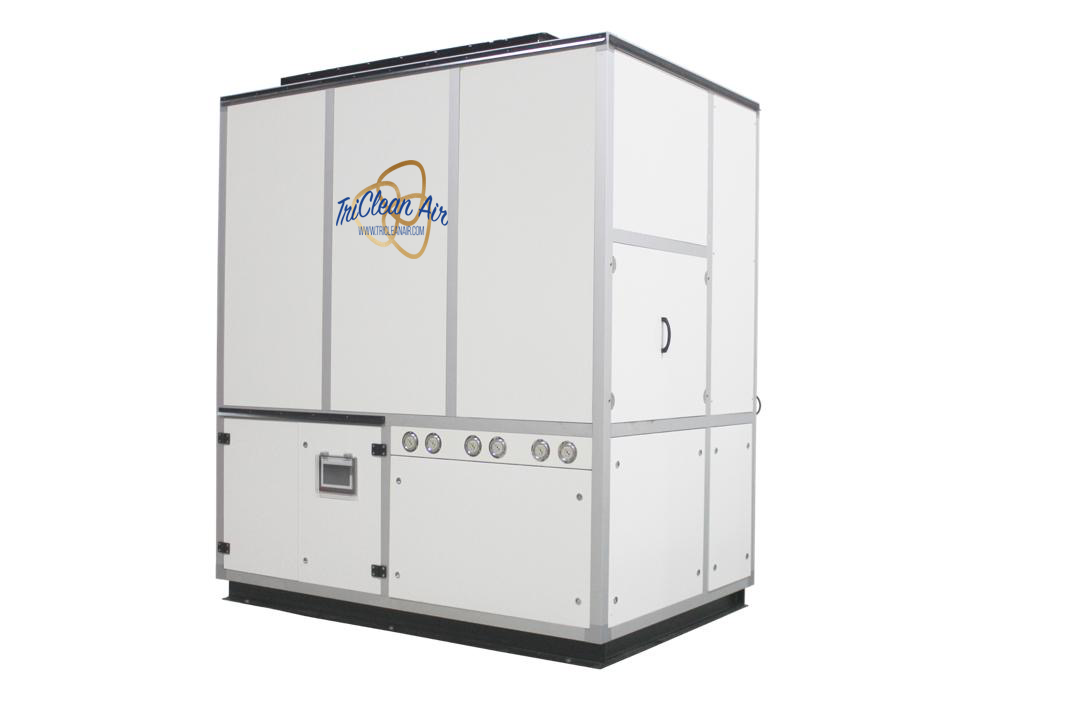
Humidity mismanagement is among the primary causes of form, form, and pathogen outbreaks. Industry information suggests that crop losses from fungal dilemmas can account for 10–30% of annual manufacturing in defectively managed facilities. Sophisticated dehumidification programs maintain balanced vapor force deficit (VPD), decreasing condition chance while optimizing transpiration. Paid off crop spend and fewer remediation fees directly support larger ROI.
Can CO₂ Control Actually Raise Economic Results?
Yes. Controlled CO₂ enrichment has been found to boost cannabis produces by 15–30% when used with correct lighting and nutrition. Climate control methods regulate CO₂ levels to stop waste and guarantee flowers absorb it efficiently. That targeted method eliminates needless fuel consumption while maximizing photosynthetic effectiveness, causing larger output without proportional raises in running expenses.
How Do Energy-Efficient Systems Impact Long-Term ROI?
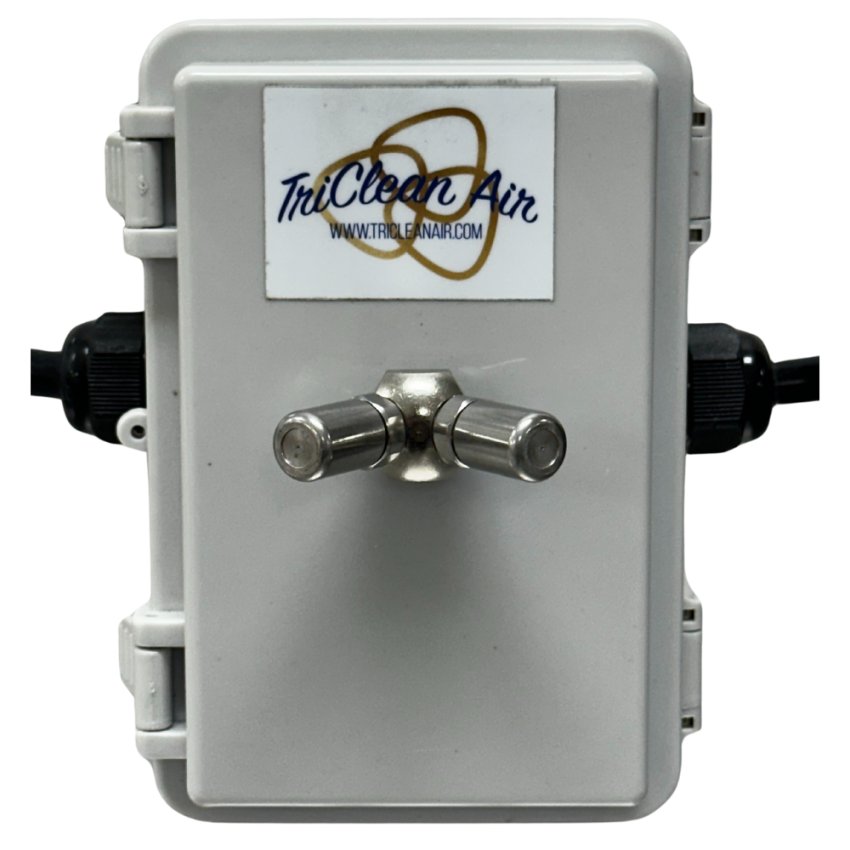
Power costs often signify one of the largest operational costs in indoor and greenhouse grows. Modern climate control techniques use intelligent detectors, variable-speed gear, and automation to cut back energy use by up to 25% in comparison to standard setups. Decrease energy bills increase money flow, while successful systems also expand gear lifetime, reducing replacement and preservation costs.
Are Automatic Climate Control Techniques Value the Expense?
Automation improves work performance and decision-making accuracy. Features using integrated climate control systems record around 40% fewer manual adjustments and paid down downtime. By minimizing job dependency and ensuring 24/7 environmental accuracy, automated programs support growers degree operations without proportional increases in staffing or overhead.
How Do Climate Control Techniques Support Organization Scalability?
Scalability depends upon repeatable success. Climate control programs create standardized rising situations across rooms or services, enabling consistent quality at bigger volumes. That uniformity helps model reliability, wholesale contracts, and long-term development strategies—all necessary the different parts of sustainable ROI.
The Base Range
Cannabis climate control programs are not nearly plant health—they're about financial performance. By improving yield effectiveness, lowering failures, reducing power use, and supporting scalable operations, these programs supply measurable ROI benefits. For growers dedicated to long-term profitability, climate control is not an expense—it is a revenue optimization strategy.